

Stuffing/unstuffing, crating & packing
Packaging is the one cost in the chain you can cut without seeing the effect immediately. The effect shows up at the destination port, when the shipment is refused, or when the crate is opened and the contents are already damaged. For export and high-value cargo, packing is engineering rather than materials.
How we run it
Identify the risk by cargo and by route
Moisture, vibration and impact are three different problems; a long sea leg and a short road leg call for different levels of protection.
Scope of service
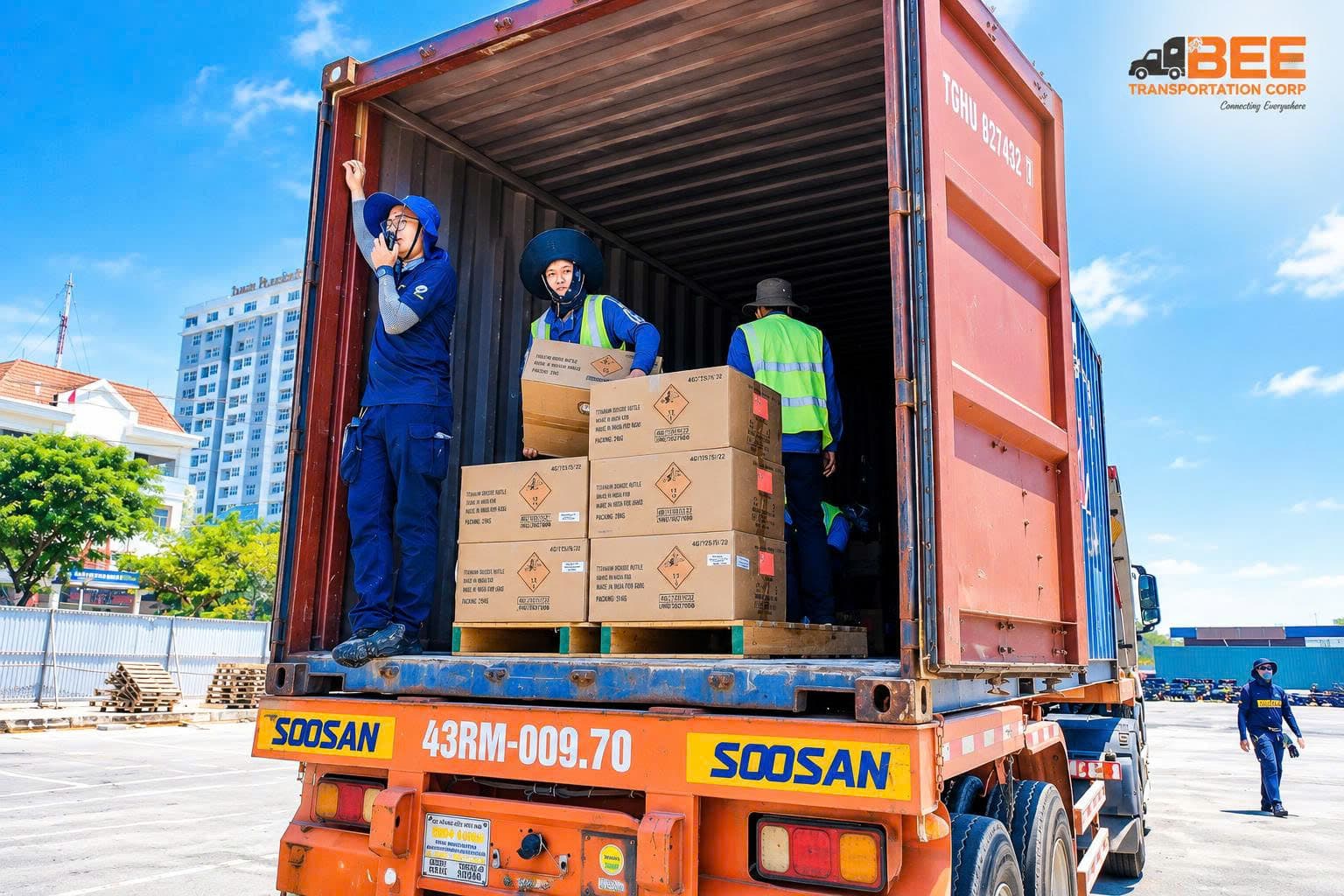
- Container stuffing and unstuffing
- Crating and wooden boxes to export specification
- Vacuum sealing and cargo lashing
- Bracing for sensitive cargo: aircraft engines, microchips
Frequently asked questions
- Does wooden export packaging need treatment?
- Most markets require wood packaging material to be treated for phytosanitary purposes and to carry a valid mark. The exact requirement varies by destination, so tell us where the shipment is going and we will build to the right specification first time.
- Is vacuum sealing necessary for every shipment?
- No. It earns its place on moisture-sensitive equipment, finished metal surfaces, and anything on a long sea leg or waiting in storage for clearance. General cargo on short lanes usually does not need it.
- Will you pack cargo that someone else is carrying?
- Yes. Crating and packing can be booked on its own. That said, when we know the route and the handling in advance, the crate is designed closer to what the shipment will actually meet.
Have a shipment to move?
Send us the cargo specifications — we respond with an approach and a quotation within 24 hours.
Get a quote