

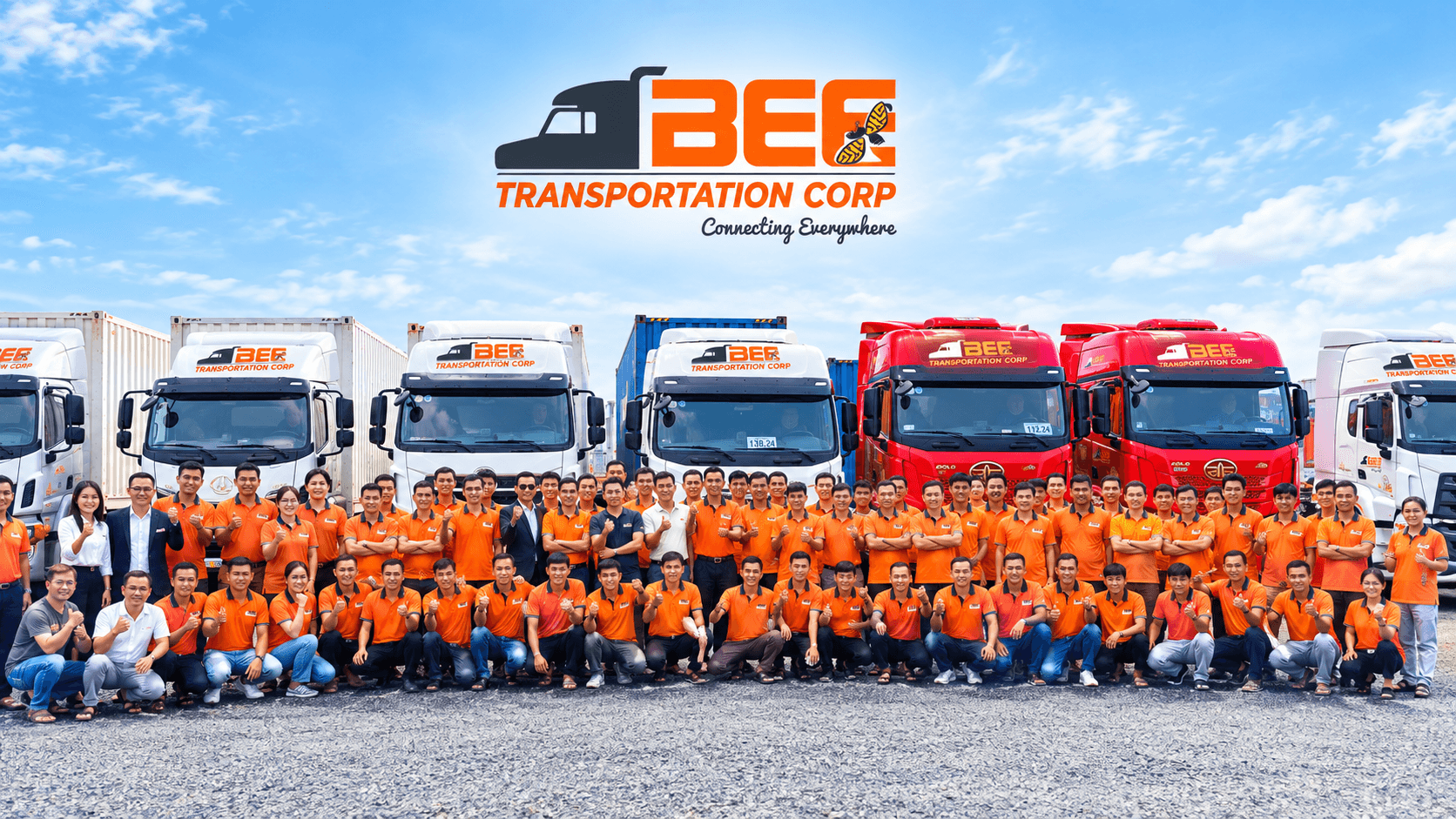
Road transport
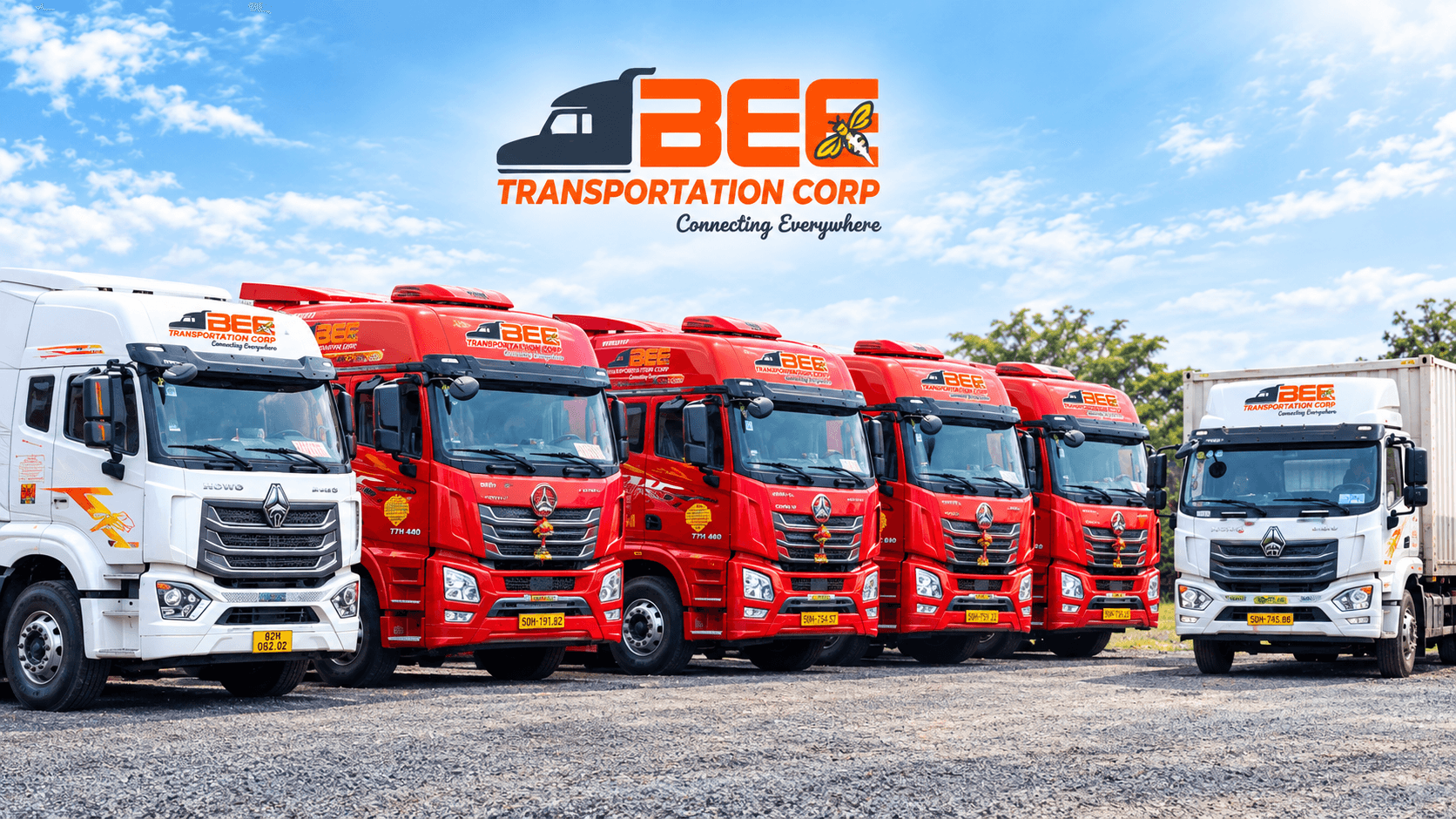
Domestic trucking looks like a commodity right up to the moment a shipment stops somewhere in a province and nobody can say where it is. What separates carriers is not the rate on a single trip — it is whether they actually control their own fleet.
How we run it
Choose the mode for the cargo
Full truckload when the load fills the vehicle or has to run direct; part load when saving cost matters more than a day or two in transit.

Scope of service
- Full truckload (FTL)
- Less than truckload (LTL)
- Bulk cargo
- Perishable and dangerous goods
- Heavy-lift transport with lifting equipment
- Household goods and personal effects
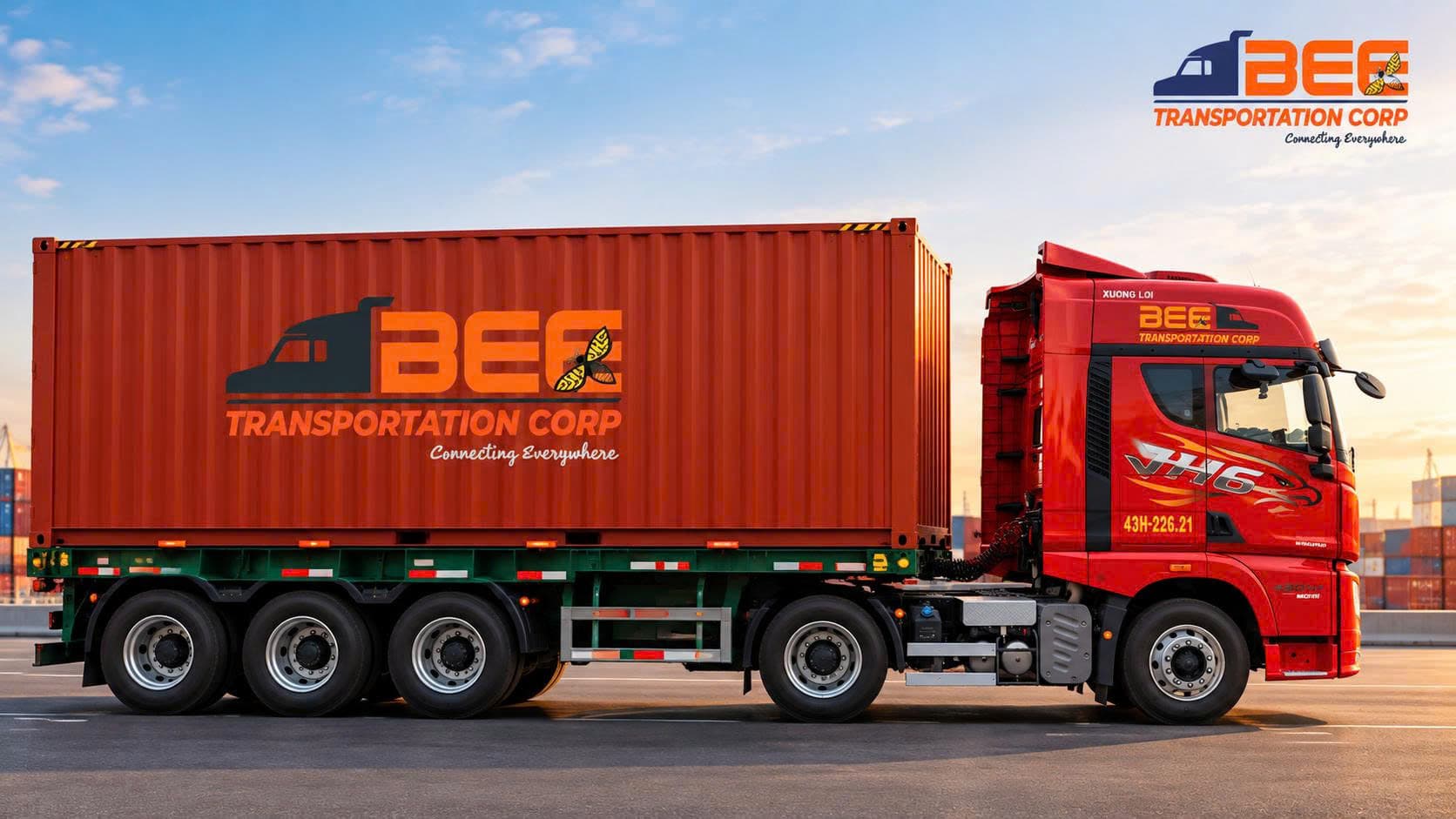
- Container transport
- Domestic transport and distribution
- Consolidation
Frequently asked questions
- When should I use a full truck rather than a part load?
- A full truck suits cargo that takes up most of the weight or volume, that has to run direct without a transit point, or that does not tolerate repeated handling. Part loads are considerably cheaper for small consignments, at the cost of time spent consolidating.
- How do I track my shipment?
- Every vehicle carries a tracking device running 24/7. We provide real-time position updates and a journey report per trip, rather than leaving you to call the driver.
- Do you carry refrigerated and dangerous goods?
- Yes. Perishable and dangerous goods are within scope, with −25°C cold storage available when a shipment needs to be held mid-route. Dangerous goods need to be declared by class at the quotation stage so the right vehicle and route can be assigned.
Journey monitoring
GPS position in real time
Live tracking is used to improve driving behaviour and to strengthen security around every shipment.
- Real-time journey reporting showing the position of each vehicle
- Live vehicle tracking on the map
- Travel speed measurement
- Monitoring of routes, stops and route changes
- Fuel consumption measurement
Have a shipment to move?
Send us the cargo specifications — we respond with an approach and a quotation within 24 hours.
Get a quote